Use cases
How to Choose a Dehumidifier for a Basement
Choose a basement dehumidifier from moisture load, operating temperature, drain path, and whether you want a portable unit or an installed system.

On this page
What a basement asks of the equipment
A basement is often cooler, damper, and less ventilated than upstairs rooms. Concrete, groundwater, laundry, and limited air exchange raise the moisture load. The unit has to collect water at those temperatures and send that water somewhere you can live with.
Start with the general buying framework in how to choose a dehumidifier, then apply it to this space. Do not pick a model from a named-product list; the basement decides the criteria first.
Capacity, temperature, and drain
Use a documented pint rating on a stated test method, then match the class to how wet the basement stays. Persistently damp or large unfinished spaces generally need more capacity than a small, finished, only mildly humid room. Capacity classes are in how to read dehumidifier capacity ratings.
Read the operating-temperature range next. Many portable units collect poorly or ice when the basement is cool. If the space sits near or below the stated minimum, a unit with a documented low-temperature or auto-defrost range is the criterion—not a larger pint number alone.
Plan the drain before you buy. A floor drain below the outlet favors a gravity hose. A higher sink needs a pump the model actually includes. No drain means a bucket you will empty. Methods are in how dehumidifiers drain.
Portable versus installed
A portable unit is the usual basement starting point when you can place it, reach the filter, and manage a bucket or hose. A whole-home or dedicated installed dehumidifier can make sense when the basement is part of a ducted system or you want less day-to-day handling. Installed units bring electrical, condensate, and professional-installation requirements that a portable cabinet does not.
If the space under the house is a crawl space rather than a basement you can walk, use crawl-space versus portable instead of stretching a basement portable into that job.
Before you buy for this basement
Measure the placement: clearances, a level floor, a receptacle on the required circuit, and a path for the hose if you will not empty a bucket. Confirm you can reach the filter after the unit is in place. Check the warranty and maintenance instructions for the exact model, not a family brochure.
If a specification is missing—pump, low-temperature range, hose size—leave it unknown rather than borrowing it from another model. The basement setup that works is the one whose documented temperature range, capacity class, and drain method all fit the room.
Sources
Find basement dehumidifiers on Amazon (paid link)
Keep reading
Related guides
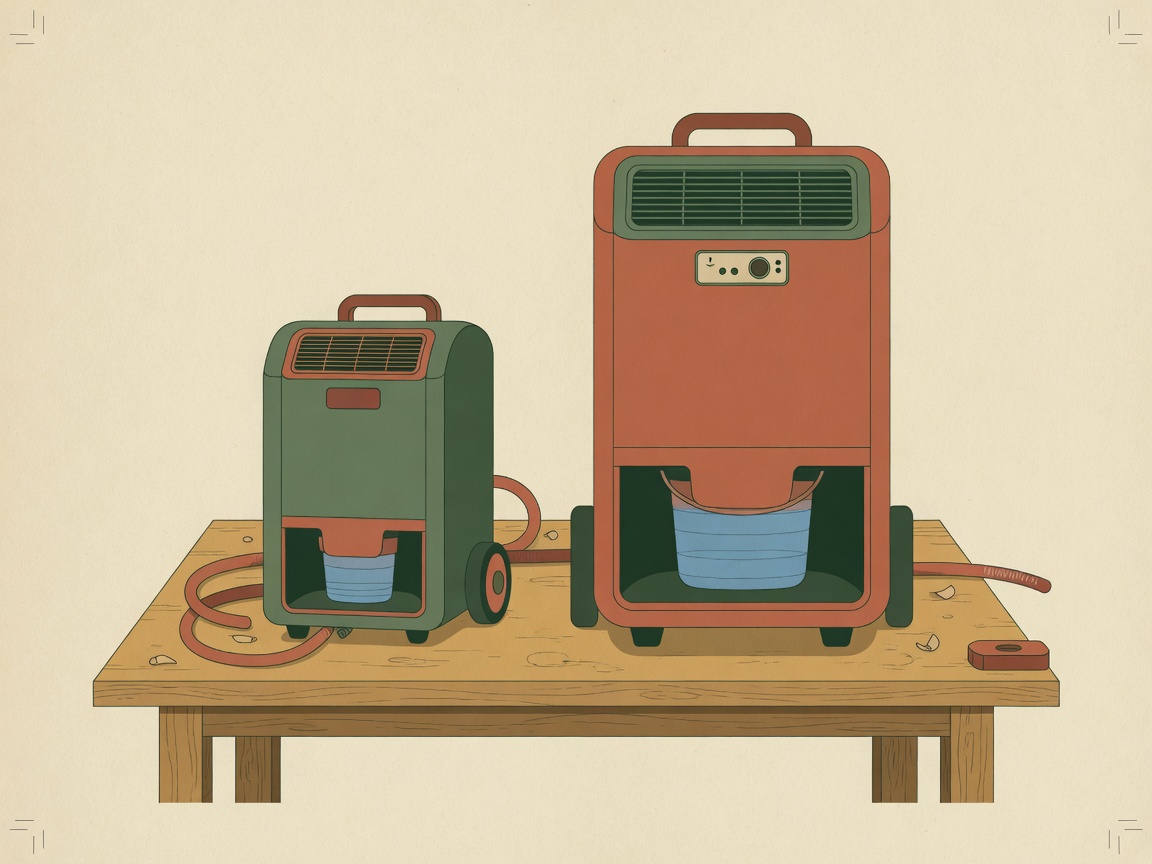
Dehumidifier Capacity Classes
Read pint classes against moisture load, on the same rating basis.

Dehumidifier for a Garage
Temperature swings, icing risk, and a hose that survives parked cars.
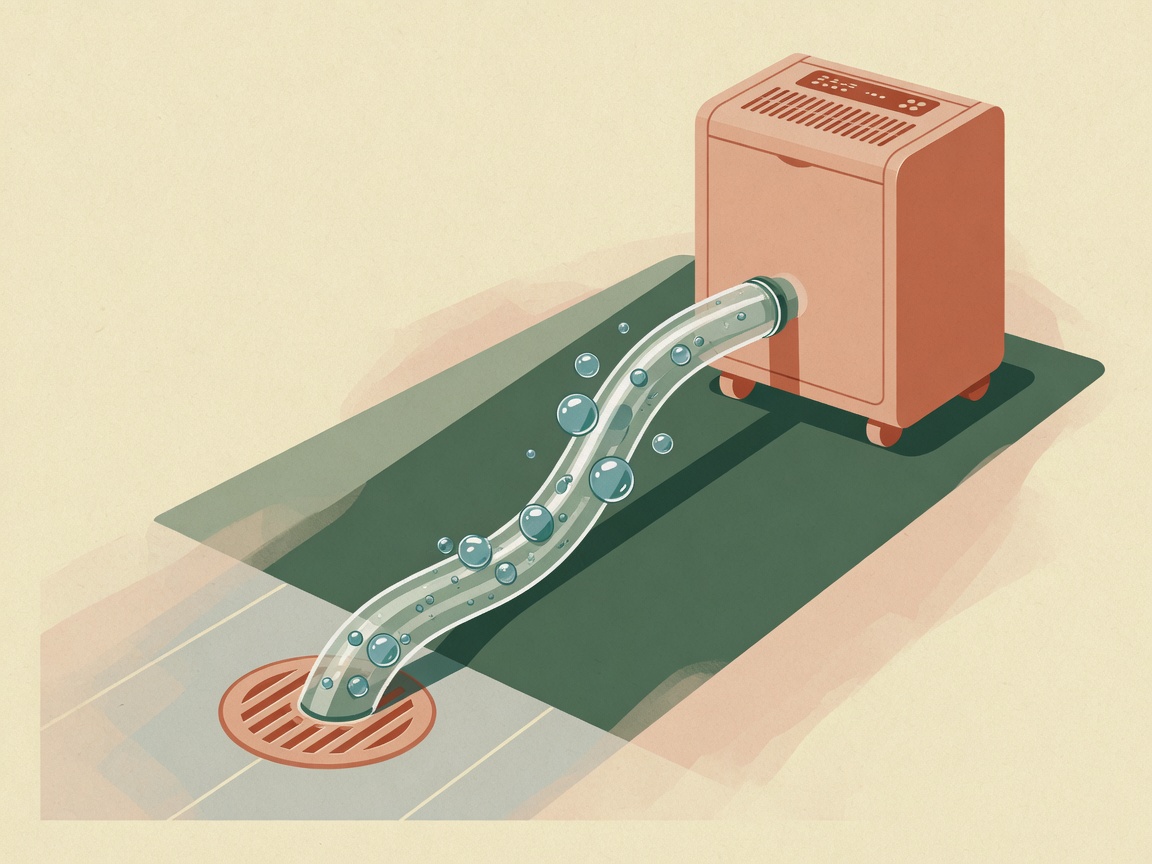
How Dehumidifiers Drain
Bucket, gravity hose, or pump — what each method needs from the room.